
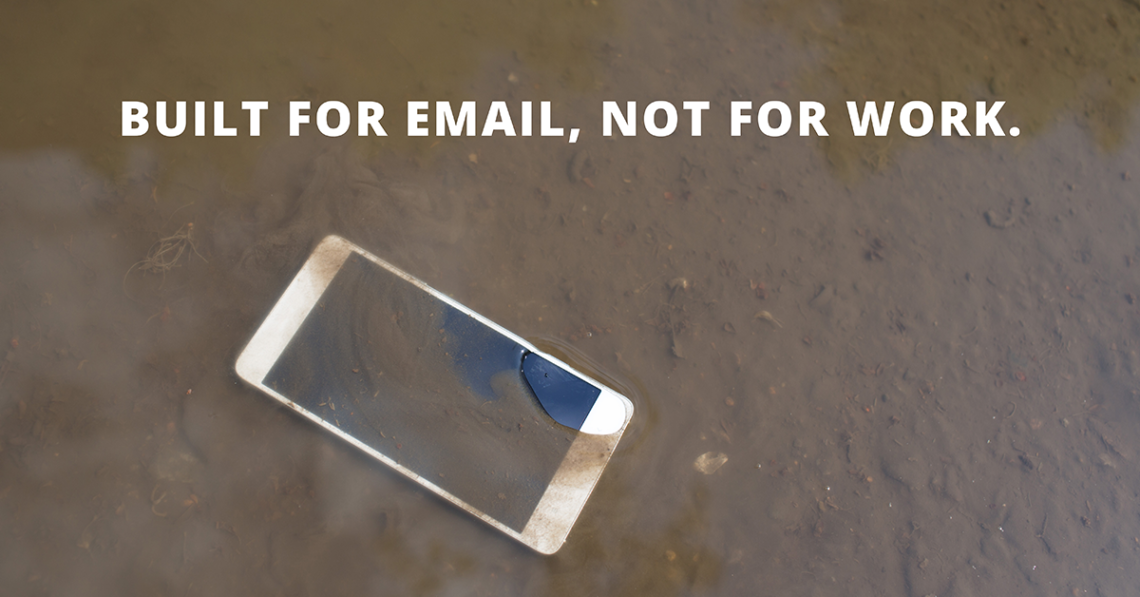
On paper, a “good enough” mobile device looks like a smart decision.
Lower upfront cost. Checks the basic boxes.
But in real-world warehouse, manufacturing, and field environments, good enough rarely stays good for long — and it almost always costs more than expected.
From downtime and repair churn to frustrated workers and lost data, mobile devices that aren’t built for your operation quietly drain productivity and budgets every single day.
Let’s break down where those hidden costs show up — and why investing in the right mobile technology pays off faster than you think.
The True Cost of Downtime (Hint: It’s Not Just the Device)
When a consumer-grade or lightly rugged device fails, the cost isn’t limited to repair or replacement.
It shows up as:
- Idle workers waiting on a backup device
- Missed scans, delayed picks, and inventory inaccuracies
- Manual workarounds that introduce errors
- IT scrambling to reconfigure or reimage replacements
In busy operations, even minutes of downtime per worker per shift add up fast. Multiply that by dozens (or hundreds) of devices, and suddenly the “cheap” option becomes the most expensive line item you didn’t budget for.
Purpose-built enterprise devices are designed to keep working — even when they’re dropped, exposed to dust, extreme temperatures, or used nonstop across multiple shifts.
Short Lifecycles = Long-Term Spend
“Good enough” devices tend to have:
- Shorter usable lifespans
- Higher failure rates
- Limited OS and security support
- Inconsistent accessory compatibility over time
- That leads to more frequent refresh cycles, fragmented fleets, and rising support costs.
Enterprise-grade mobile computers, like those used in Zebra ecosystems, are designed for long-term deployment with consistent form factors, extended OS support, and backward-compatible accessories.
Translation: fewer surprise replacements, fewer retraining cycles, and a much more predictable total cost of ownership.
Worker Frustration Is a Cost, Too
Slow scanners. Lagging apps. Devices that break easily. Batteries that die halfway through a shift.
These aren’t minor inconveniences — they directly affect:
- Pick rates
- Accuracy
- Employee morale
- Training time for new hires
When workers don’t trust their tools, productivity drops. When devices just work, workers move faster, make fewer mistakes, and spend less time fighting technology.
The right mobile devices don’t just support the job — they remove friction from it.
“We’ll Just Fix It Later” Is an Expensive Strategy
Many organizations accept device issues as “part of the job” and rely on internal IT to constantly patch, repair, and replace.
But reactive support costs more than proactive planning.
Without a standardized, rugged fleet and a clear lifecycle strategy, IT teams get stuck:
- Managing multiple device models
- Stockpiling spares “just in case.”
- Handling emergency replacements instead of planned refreshes
A well-designed mobile strategy — supported by managed services — turns device management into a predictable, scalable operation instead of a constant fire drill.
Total Cost of Ownership Tells the Real Story
When you zoom out, the math becomes clear.
Lower upfront cost often leads to:
- Higher repair and replacement rates
- More downtime per employee
- Increased IT labor
- Shorter device lifespans
- Reduced operational efficiency
Enterprise mobile devices may cost more initially, but they’re built to cost less over time — especially in environments where uptime, accuracy, and speed matter.
How IntegraServ Helps You Break the “Good Enough” Cycle
At IntegraServ, we don’t just sell devices — we help organizations design mobile environments that actually work in the real world.
That includes:
- Evaluating your workflows, not just your specs
- Recommending devices built for your environment
- Supporting deployment, configuration, and lifecycle planning
- Offering managed services to keep fleets running at peak performance
Because “good enough” isn’t good enough when your operation depends on it.
Ready to Stop Paying for Shortcuts?
If your mobile devices are slowing your team down, driving up support costs, or failing when you need them most, it’s time for a better approach.
Let’s talk about building a mobile strategy that lasts.
You must be logged in to post a comment.